Overgrown Garden Clearance in Leicestershire and Nottinghamshire: What to Remove Before You Can Use the Space Again
If you need overgrown garden clearance Leicestershire property owners can rely on, the first question is usually not how to make the space look tidier. It is what actually needs removing before the garden becomes safe, accessible and worth using again.
Neglected gardens often involve more than long grass. Brambles can hide the ground, self-seeded trees can crowd boundaries, old stumps can stop any redesign, and overgrown hedges can block light and access. At Blackwood Tree Services, we help domestic and commercial customers across Leicestershire and Nottinghamshire assess the space properly and carry out the right combination of clearance, pruning, hedge work, stump grinding and tree removal.
This guide explains what usually needs to go first, what may be worth keeping, and how we approach severe overgrowth so the garden can move on to its next use.
Overgrown garden clearance Leicestershire: what usually needs removing first
When a garden has been left for months or years, the issue is rarely one single plant. It is usually a mix of fast surface growth, woody material and old obstacles that make the whole area harder to use.
In most cases, the priority is to remove or reduce anything that:
Stops safe access through the space
Hides the ground and any trip hazards underneath
Blocks light, boundaries or key parts of the garden
Will quickly regrow and undo the clearance if left in place
Gets in the way of landscaping, fencing, turfing or general maintenance
Brambles, ivy and dense surface growth
Brambles, nettles, ivy and similar growth are often the first problem to deal with because they hide everything else. Until that layer is cut back, it can be difficult to see the ground level, the condition of fences, the size of stumps or whether self-seeded trees are buried inside the overgrowth.
This type of growth also tends to spread across paths, patios, borders and boundary lines. Removing it first gives a clear picture of what the garden is really dealing with.
Self-seeded saplings and unwanted young trees
One of the most common findings in an overgrown garden is self-seeded woody growth. Small trees and saplings often establish themselves in hedges, fence lines, corners and unused beds, then quickly become part of the problem.
These are worth addressing early because they compete for space, crowd retained plants and become much harder to remove if left to thicken up. What looks like a rough patch of greenery from a distance can actually be a cluster of young trees taking over the area.
Dead, unstable or badly placed trees
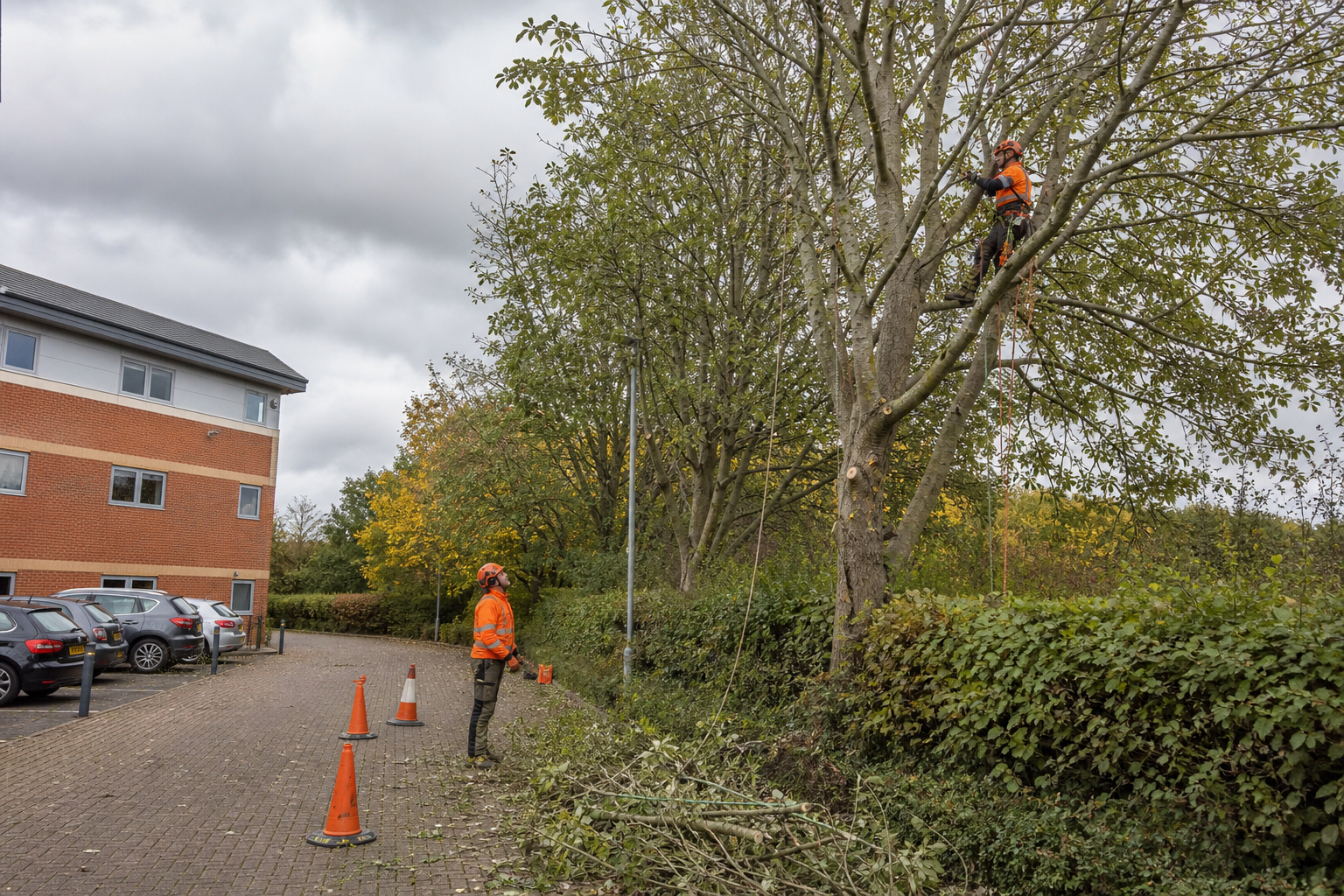
Not every overgrown garden contains a tree that needs removing, but some do. A tree may have outgrown the space, declined through lack of management, or developed branches that are affecting buildings, sheds, neighbouring areas or general access.
In these cases, the question is not simply whether the tree is untidy. It is whether keeping it still makes practical sense for the garden and for the people using it. Where needed, we can assess whether pruning is enough or whether removal is the better long-term option.
Overgrown hedges swallowing the boundary
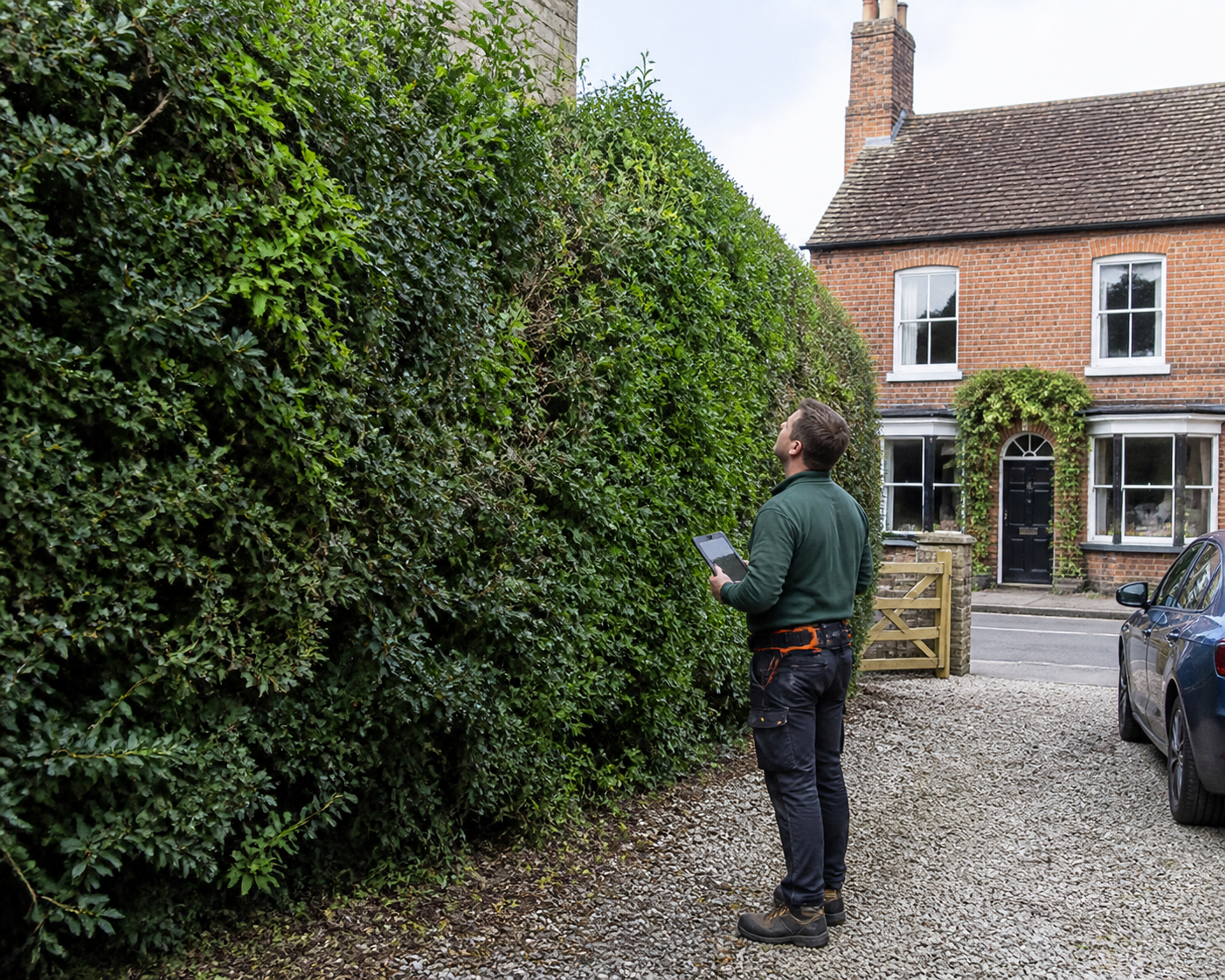
Hedges often play a major role in making a garden feel unusable. They can narrow paths, shade large sections of the plot, push into drives or lawns, and make the whole space feel smaller than it is.
Sometimes a hedge can be retained with reduction work. In other cases, full removal is the more practical route, especially if the hedge is too large, too patchy or no longer right for the boundary. Where this is part of the job, we can incorporate hedge trimming and removal into the wider clearance plan.
Stumps and low woody bases
A garden does not become properly usable again if old stumps are still sitting in the middle of it. Even when trees or large shrubs have already been cut down, the remaining stump can still block mowing, planting, paving, fencing or re-turfing.
This is why severe garden clearance often leads naturally into stump grinding and tree removal. If the next stage involves changing how the space is used, the stump usually needs to be dealt with rather than left as an awkward obstacle.
Fallen timber and old green waste
Some neglected gardens have already had partial work attempted in the past. Branches may have been cut and left, old hedge material may be piled in corners, or small trunks may still be lying where they fell. This can take up usable space, encourage further neglect and make the garden harder to navigate safely.
Clearing out old cut material is often the step that turns the garden from "still a problem" into a space you can properly assess and plan around.
What can often stay once the site has been assessed
Overgrown does not always mean everything has to be stripped out. In many gardens, some features are worth keeping once the heavy growth has been brought under control.
That may include:
Healthy trees that only need pruning or crown work
Boundary hedges that can be reduced to a more manageable size
Established shrubs that are still in the right place
Sections of the garden that have good structure once access is restored
The key is to clear enough first to reveal what is actually there. A sensible clearance plan is not about removing everything possible. It is about removing the growth and obstructions that stop the garden functioning, then deciding what deserves to stay.
How we approach severe garden clearance safely and practically
At Blackwood Tree Services, we take a site-based approach. That matters because two overgrown gardens can look similar at first glance but need very different work once you get into the detail.
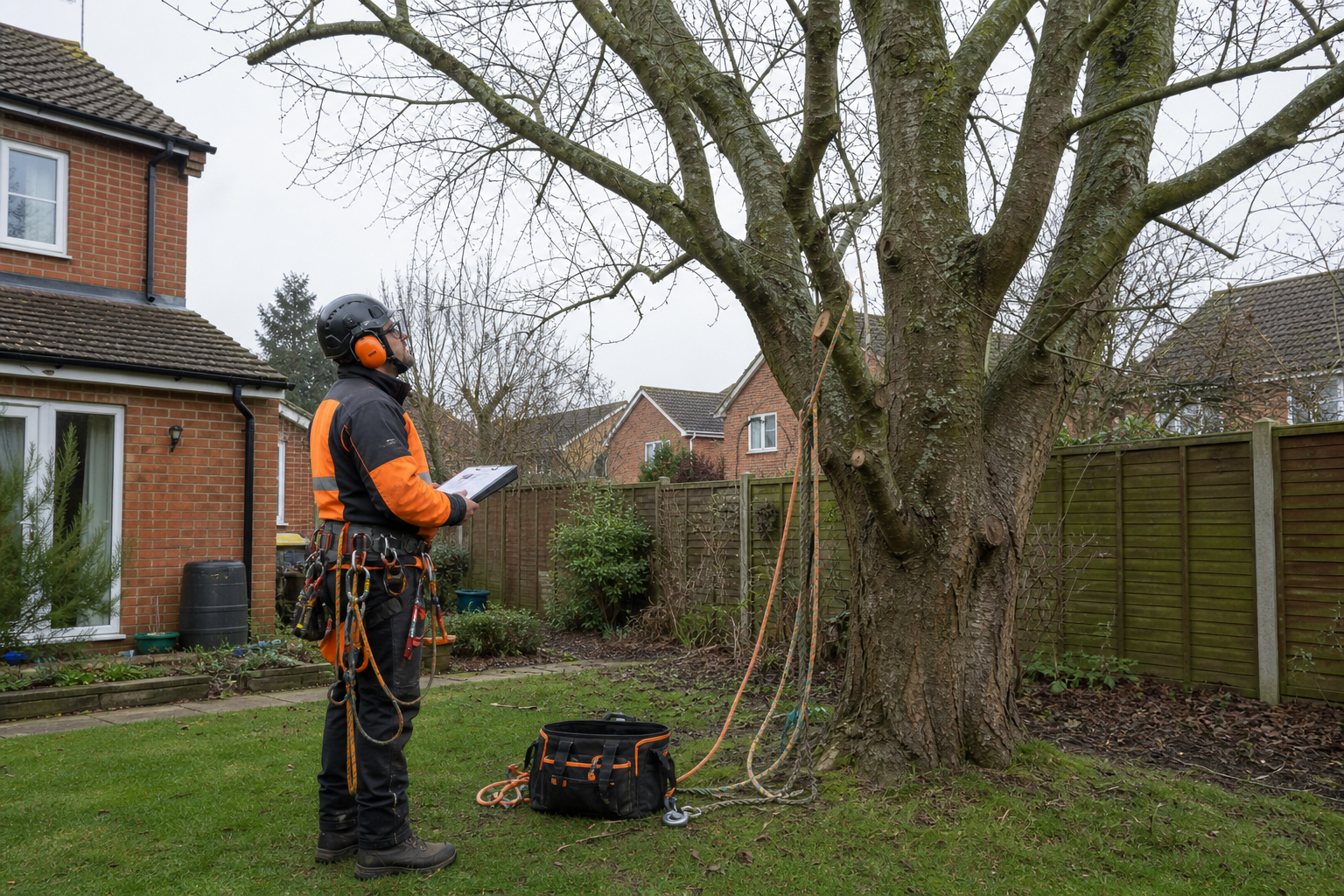
We assess the site properly. We look at the size of the garden, density of growth, access, boundaries, retained trees and any obvious obstacles. If you need help with a neglected plot, you can arrange a visit through our garden clearance services.
We identify what is making the space unusable. That may be dense bramble cover, boundary hedges, low branches, self-seeded trees, stumps or a combination of all of them.
We work in a practical order. Usually that means opening access first, stripping back heavy surface growth, dealing with woody material and then carrying out any follow-on tree, hedge or stump work needed to finish the job properly.
We help you plan the next step. Once the site is clear, it becomes much easier to decide whether the garden is ready for regular maintenance, replanting, landscaping or further tree management.
Where trees are involved, there may also be protection or location issues to consider before work starts. If a tree is protected or the property is within a conservation area, checks may be needed before pruning or removal. We can flag when that needs attention as part of the site visit.
When it makes sense to book overgrown garden clearance
Clearance is often most useful when the garden has reached the point where routine maintenance is no longer realistic. Common situations include:
You have moved into a property with a neglected garden
You are preparing the space for landscaping or re-turfing
Access to sheds, paths, fences or boundaries has been lost
A hedge or tree has started to dominate the whole garden
The property is being prepared for sale, letting or regular upkeep
Previous cutting back has left stumps, timber or uneven regrowth behind
In other words, the right time to book clearance is not when the garden looks untidy. It is when the overgrowth is stopping the space being used as intended.
Why use a tree surgery company for an overgrown garden?
Light tidying is one thing. Severe overgrowth is another. Once a garden includes hedges, saplings, trees, stumps and dense woody material, it helps to use a business equipped to deal with the whole picture rather than only the easy parts.
Blackwood Tree Services provides professional tree surgery and garden clearance across Leicestershire and Nottinghamshire from Ragdale near Melton Mowbray. We are fully insured, NPTC qualified and work to BS3998 standards for arboricultural work.
That means we can assess whether the space needs:
General vegetation clearance
Pruning to improve access and light
Hedge reduction or full hedge removal
Tree removal where retention no longer makes sense
Stump grinding so the ground can be used properly again
Using one team for the full scope often leads to a clearer result, because the work is planned as one job rather than a series of separate fixes.
Book a site visit before the problem gets bigger
If your garden has moved past basic maintenance, a site visit is usually the quickest way to work out what is worth keeping and what needs to be removed. We can assess the overgrowth, explain the most practical route forward and recommend the right combination of clearance, hedge work, pruning, stump grinding or tree removal.
For many customers, that first assessment is the point where the space finally starts to feel manageable again.
FAQs about overgrown garden clearance in Leicestershire
How much does overgrown garden clearance in Leicestershire cost?
The cost depends on the size of the garden, the density of the growth, site access, the amount of woody material present, and whether the job also needs hedge removal, tree work or stump grinding. A proper site visit is the best way to price the work accurately.
Can you clear an overgrown garden without removing every tree and hedge?
Yes. Many gardens only need selective clearance. The aim is to remove what is making the space unusable and keep what still works for the layout, the boundary and the long-term maintenance of the garden.
Do stumps need removing during garden clearance?
Not always, but if the stump is in the way of mowing, replanting, paving, fencing or safe use of the space, it is usually worth dealing with at the same time. Leaving stumps behind often limits what you can do next.
Do I need permission to remove trees in an overgrown garden?
Sometimes checks are needed before tree work starts, especially if a tree is protected or stands in a conservation area. The position depends on the tree and the property, so it is sensible to assess that before any pruning or removal begins.
How quickly can a cleared garden be usable again?
That depends on how severe the overgrowth is and what you want the space to be used for afterwards. In many cases, once the main growth, timber and stumps have been dealt with, the garden becomes far easier to access, maintain and plan for its next stage.
Conclusion
An overgrown garden rarely becomes usable again through a simple tidy-up. The real difference comes from identifying what is blocking access, hiding the ground, dominating the space or preventing the next stage of work, then clearing it properly.
If you need a practical assessment and professional help with an overgrown garden in Leicestershire or Nottinghamshire, book a site visit with Blackwood Tree Services through our website. We will assess the space and recommend the right clearance work to help you use it again with confidence.